A custom theme is an opportunity to make a store fit the way its customers shop. Before choosing an animation or a homepage layout, I want to understand the catalog, the questions a customer asks, and the next step each page needs to make clear.
Start with the shopping path.
A homepage introduces the brand, but it is only one part of the store. A customer may arrive directly on a product page. That page needs to explain what is being sold, show the important choices, and make the purchase action easy to find without sending the customer back to the beginning.
For a small catalog, clear categories and useful product information can matter more than a complex menu. As the range grows, the navigation should still help someone narrow their choices. Design the route from discovery to product to cart before adding more features.
Give the mobile layout its own attention.
Shrinking a desktop page is not the same as designing a mobile store. Product choices need room to be read and tapped. A sticky element should not cover the cart button. Images should explain the product without pushing every useful detail several screens down.
I check long product names, sold-out states, multiple variants, and empty carts alongside the ideal shopping path. These ordinary states are part of the customer experience, and they should feel as considered as the first impression.
Think about the person updating the store.
The store owner needs a practical way to keep the storefront current. In custom Liquid work, I plan which content belongs in the theme editor and which comes from the store's products and collections. A promotion should not require a developer to rewrite a whole page.
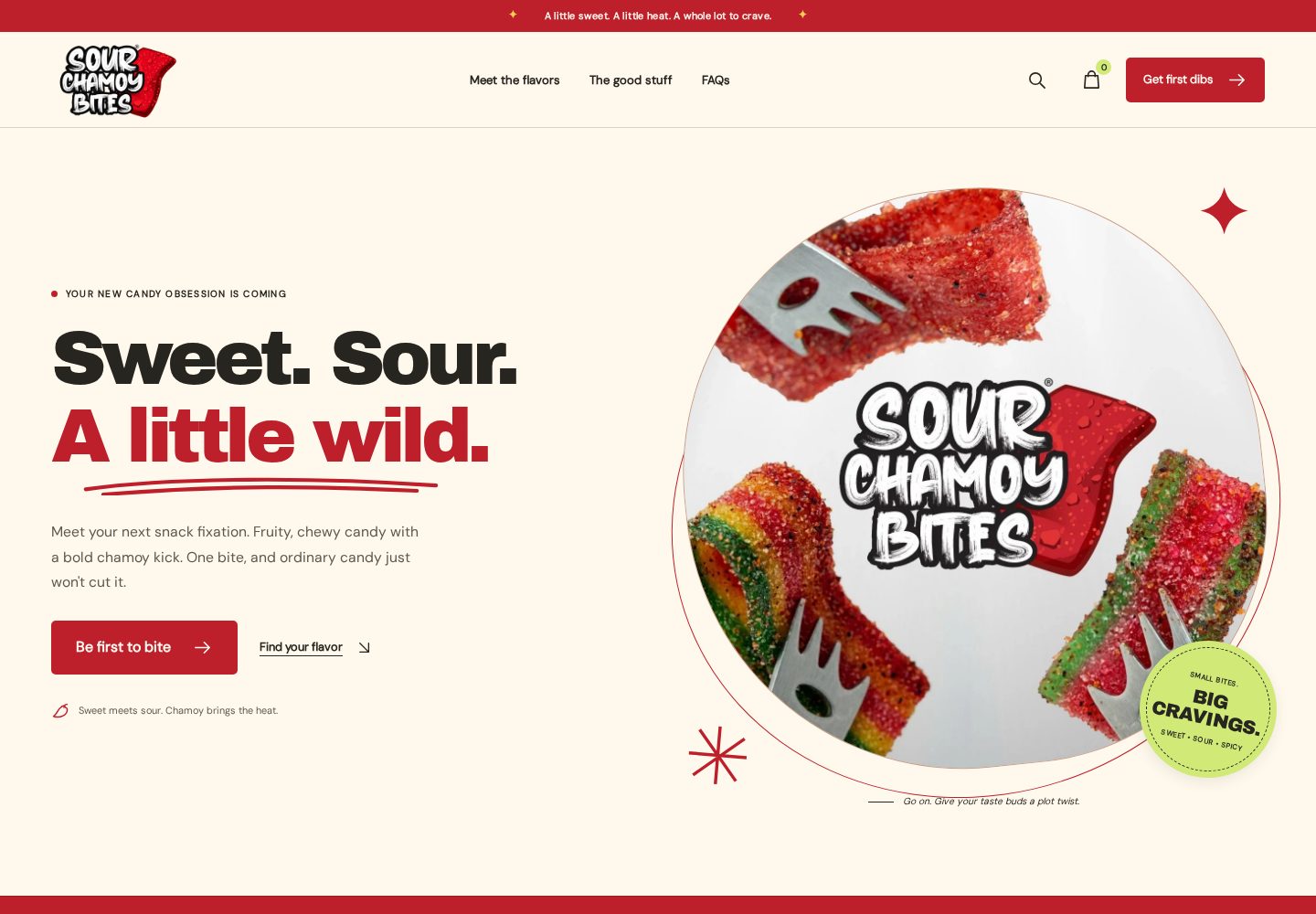
The Sour Chamoy Bites project is an example of a custom branded Shopify storefront. Goso Gummies shows a different scope: custom homepage and theme work inside an existing store. Those are different starting points, so the right recommendation depends on what is already working.
Choose the smallest useful scope.
Sometimes a store needs a complete new theme. Sometimes it needs a clearer product template, a better mobile menu, or a handful of custom sections. Start with a review of the existing store and name the specific friction you want to remove. Then the design and development scope has a job to do.
When you enquire about Shopify work, send your store URL, the theme you use, and the three changes that would make the biggest difference to your day. That is enough to start a useful conversation.